

Sciatica Treatment in Medina, OH – Non-Surgical Relief Near You
For patients dealing with nerve-related leg pain, sciatica care is part of our broader approach to conservative spine management outlined in our chiropractic services.
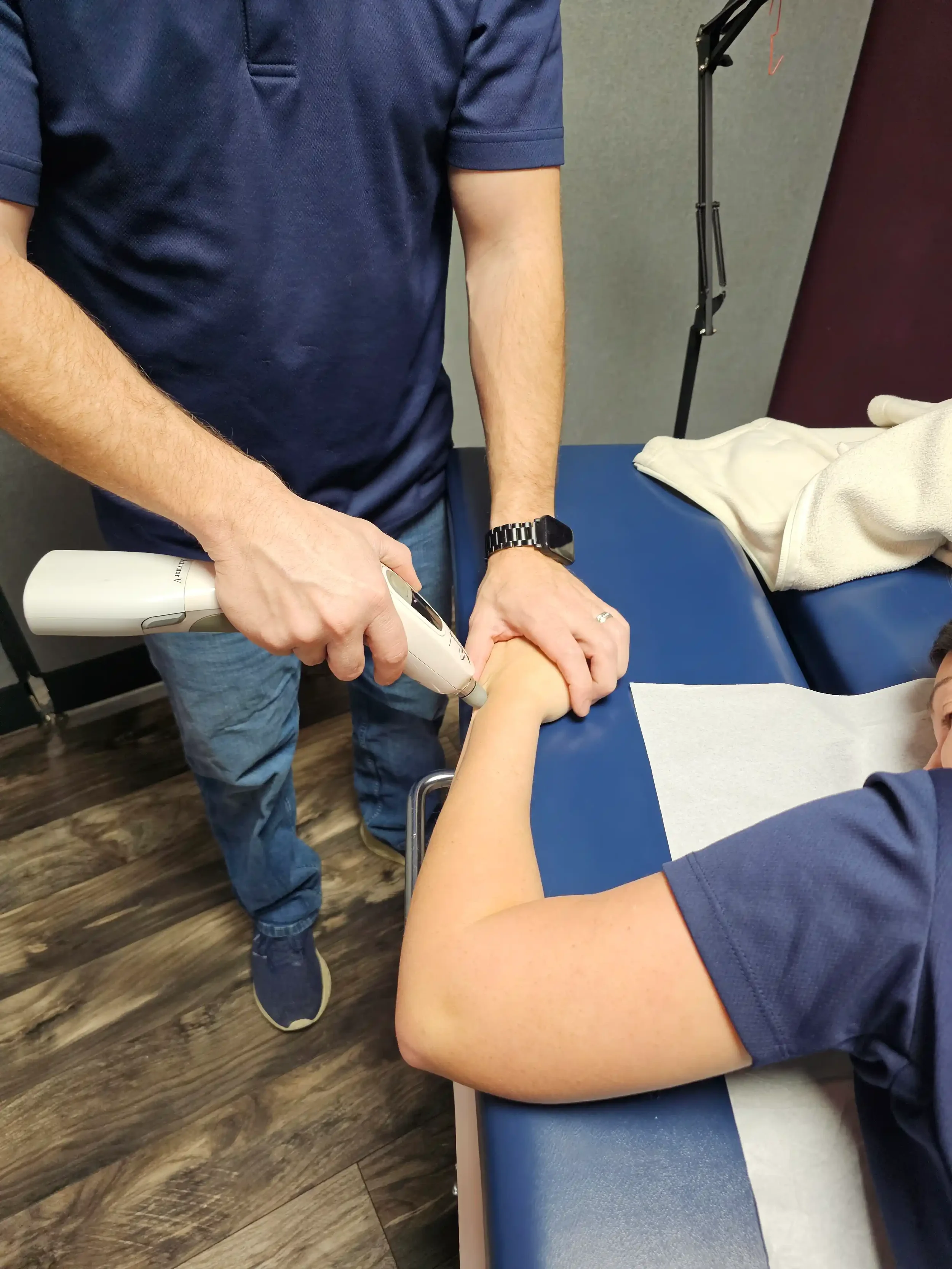
Sciatica is not just “back pain.” It is pain, tingling, or numbness that travels from the lower back or buttock down the leg along the path of the sciatic nerve. In many cases, this is related to irritation or compression of one or more nerve roots in the lower spine. Trusted medical sources such as MedlinePlus and Mayo Clinic describe these patterns clearly.
At Lite Force Chiropractic in Medina, OH, we focus on sciatica treatment when the problem is mechanical and appropriate for conservative care. Our goal is to identify whether your leg pain is true radicular sciatica, referred pain from joints or muscles, or something more serious that requires medical or surgical management. Only then does treatment make sense.
Patients typically come to us with:
Pain starting in the lower back or buttock and radiating into the thigh, calf, or foot
Electric, burning, or shooting pain down one leg, sometimes with numbness or tingling
Pain that worsens with prolonged sitting, bending, lifting, or driving
Difficulty standing up straight or walking due to leg pain
Recurrent “flare-ups” that never fully resolve despite medication or rest
Our team will evaluate the pattern of your pain, neurological findings, and functional limitations, and then determine whether chiropractic-led conservative care is appropriate or whether you need imaging and/or referral.
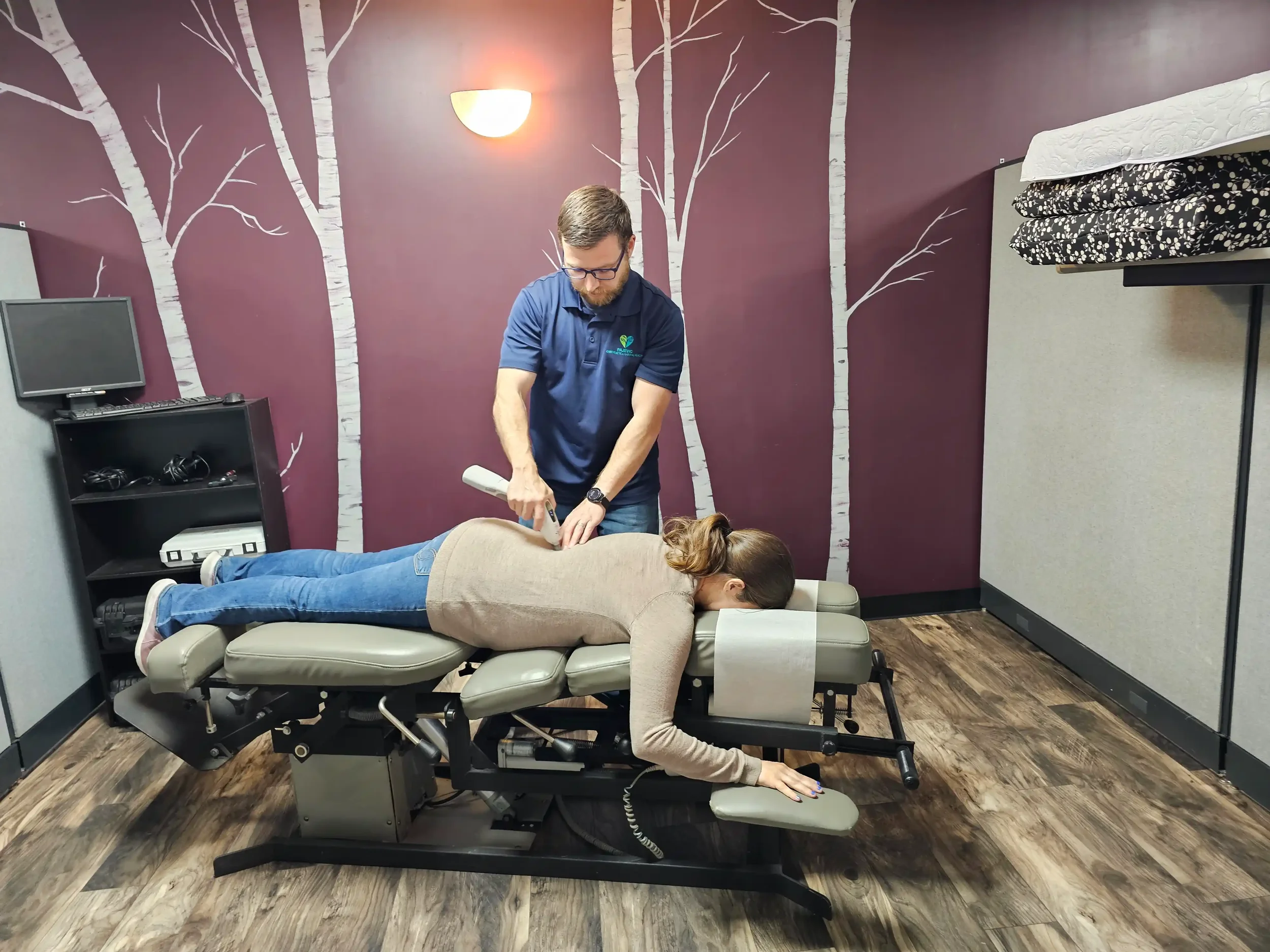
When Sciatica Is an Emergency
When Sciatica Is an Emergency
Not all leg pain is safe to manage conservatively. Some symptoms can point to a serious nerve problem that needs urgent medical attention. Medical references on sciatica and cauda equina syndrome describe several red-flag symptoms that should not be ignored.
Seek emergency care immediately if you have:
Sudden loss of bladder or bowel control
Severe or rapidly worsening weakness in one or both legs
Numbness in the groin or saddle area
Severe back or leg pain after major trauma
Back or leg pain with unexplained fever, unexplained weight loss, or a history of cancer
These symptoms may signal a medical emergency and should be evaluated right away. Our role begins only after life-threatening or surgically urgent conditions have been ruled out.
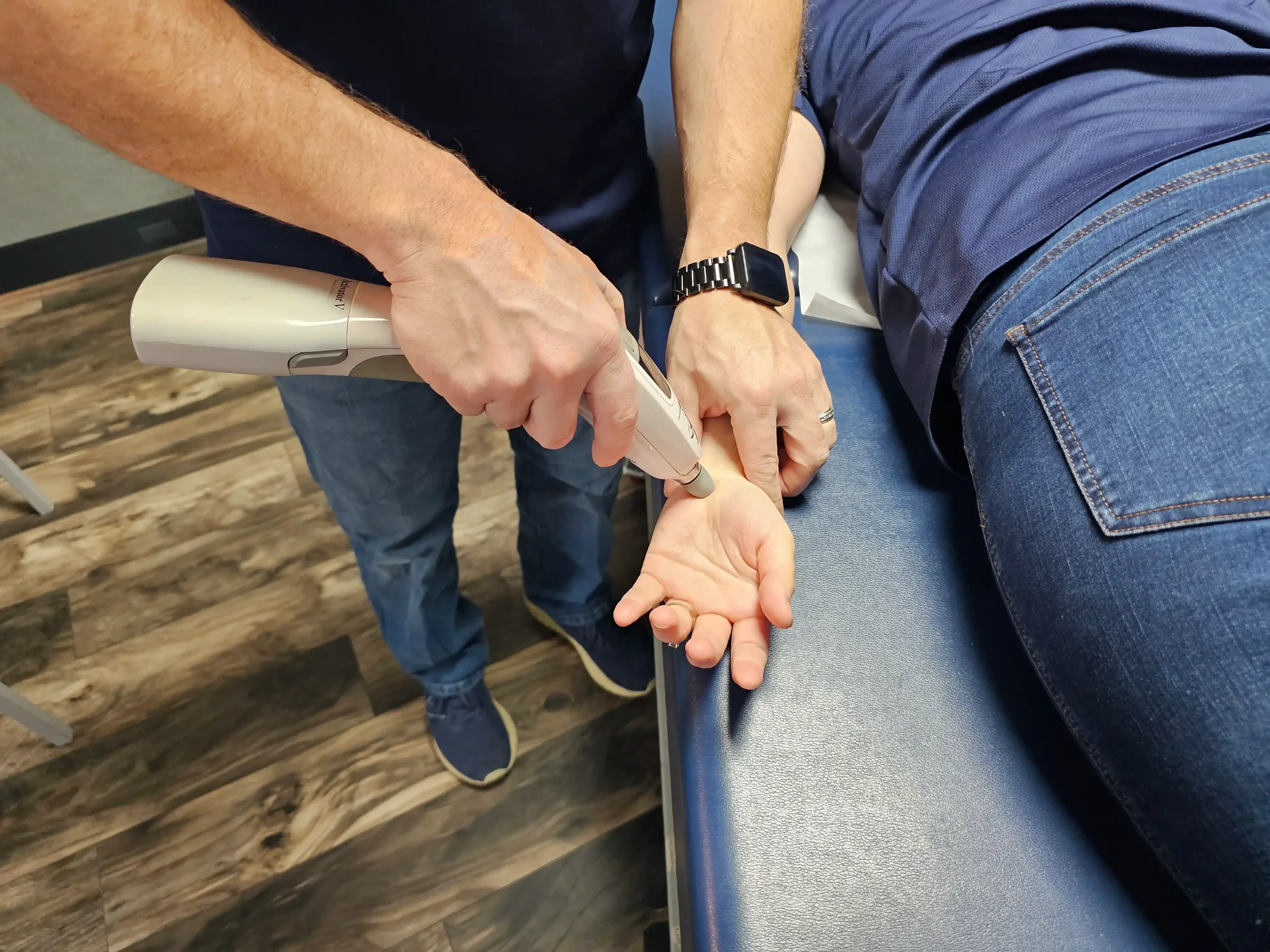
What Sciatica Actually Is — And What It Is Not
True sciatica usually involves irritation or compression of a nerve root in the lower back, most often at L4, L5, or S1. That can happen with conditions such as:
Lumbar disc herniation or disc protrusion
Lumbar spinal stenosis, which narrows the spinal canal or foramina
Spondylolisthesis, where one vertebra slips over another
In some cases, irritation or entrapment along the nerve’s course
Trusted clinical sources explain these nerve-related mechanisms clearly. Full source links are included below in the Clinical References section.
However, not all leg pain is true sciatica. Mechanical low back problems can also refer pain into the hip or leg without actual nerve-root compression.
That distinction matters because:
True radicular pain often comes with neurological findings
Referred pain usually behaves differently during movement and testing
Treatment decisions depend on identifying the actual pain source
At Lite Force Chiropractic, we evaluate whether your symptoms are most consistent with:
Radicular sciatica
Referred leg pain from discs, joints, or muscles
A non-spinal condition that needs further medical work-up
What Sciatica Actually Is – And What It Is Not
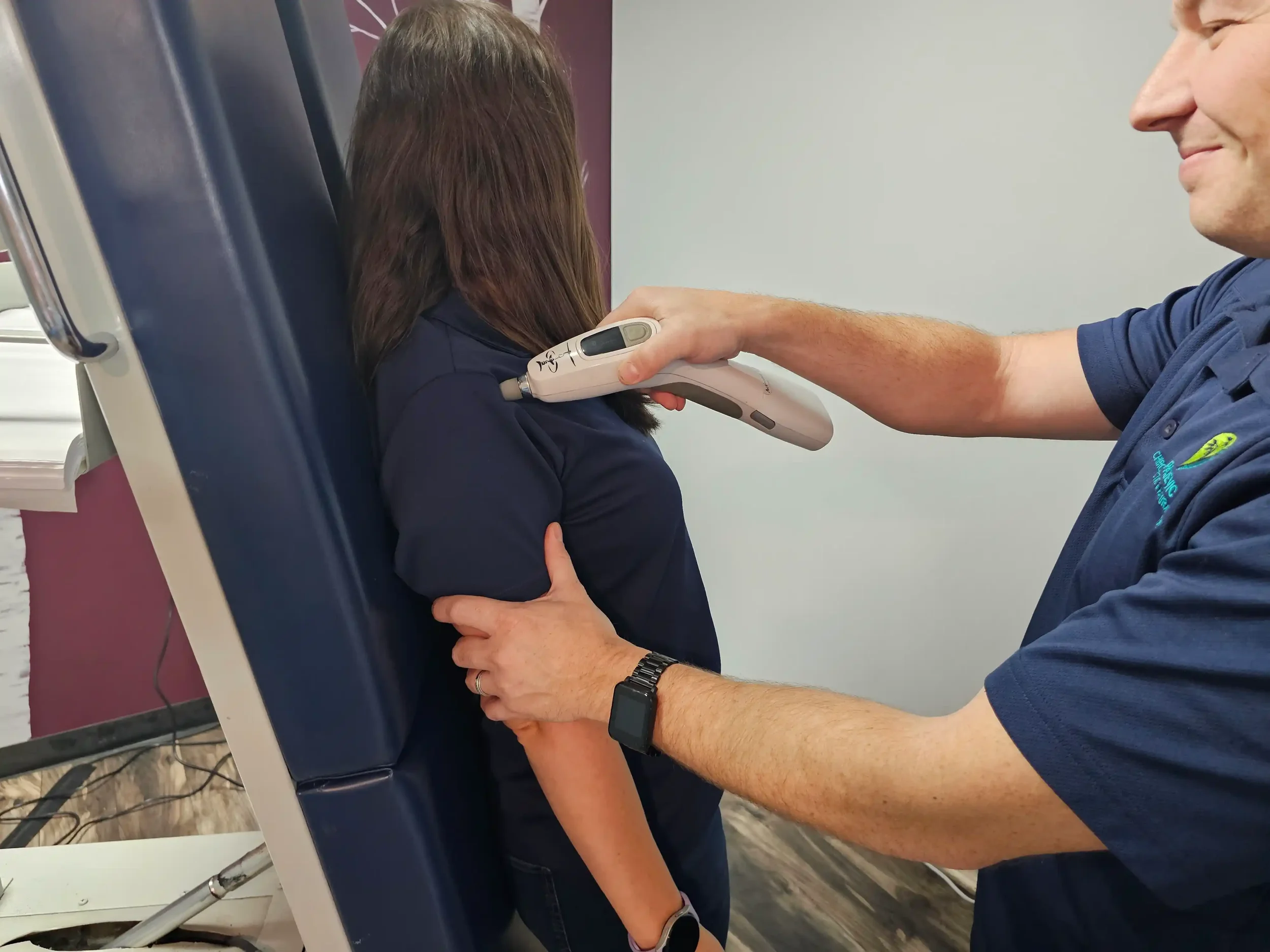
Why Sciatica Develops
Consistent with low back pain and sciatica risk factors described in Mayo Clinic and NINDS guidance, common contributors include:
Disc stress from repeated flexion and loading
Degenerative changes and spinal stenosis
Sudden overload events
Weak trunk and hip stabilizers
Previous injuries and compensations
Your case is a combination of structure, loading history, and current habits. Our task is to map that combination and intervene rationally.
Our Sciatica Evaluation Process
An accurate diagnosis is non-negotiable. During your initial visit, we typically follow this process:
1. History
Onset and progression
Pain distribution and behavior
Neurological symptoms
Prior imaging or treatment
Work and activity demands
2. Physical and Neurological Examination
Posture and gait
Lumbar and hip motion
Neurological screening
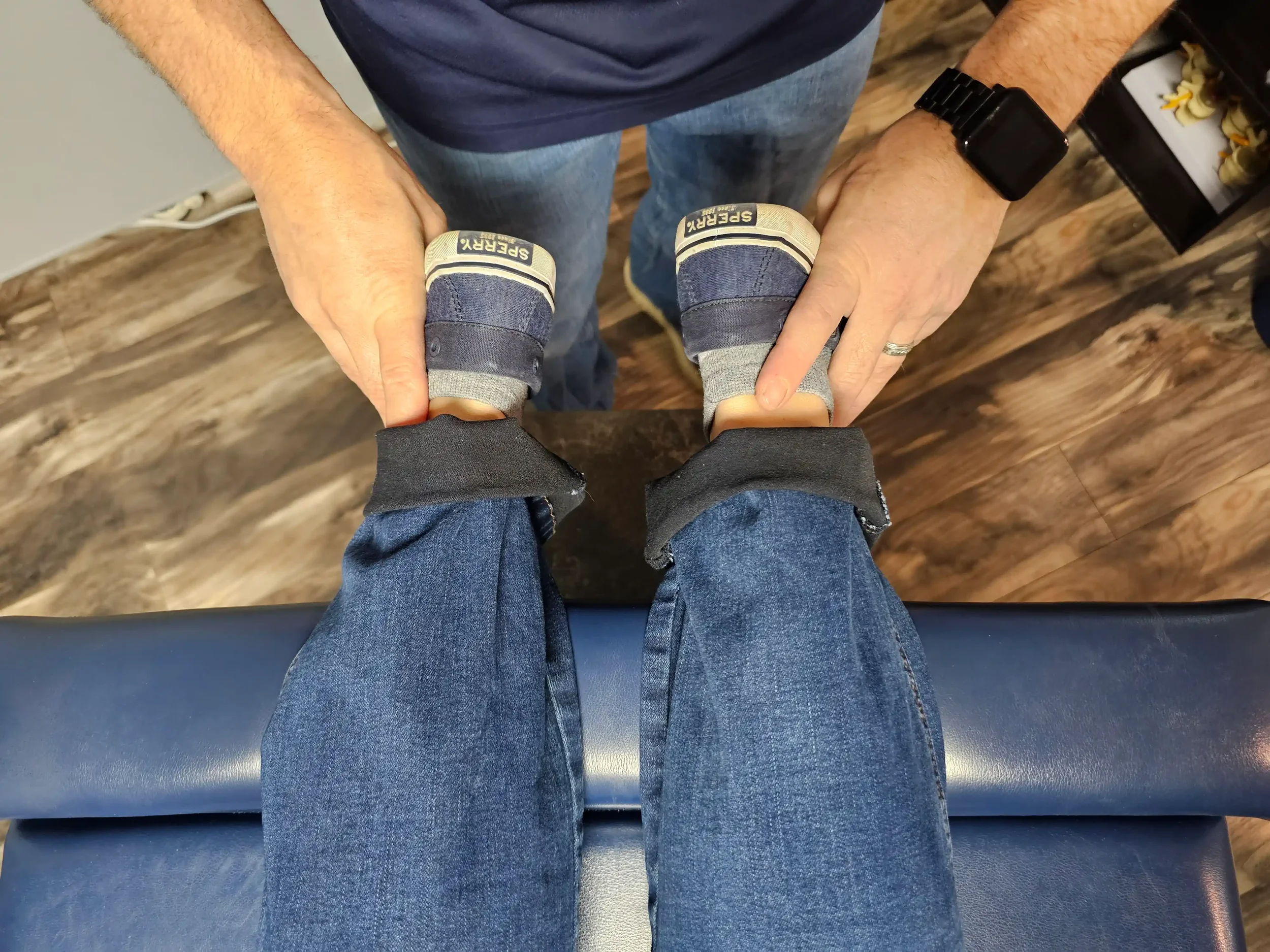
Nerve tension testing
3. Functional Testing
Squat and hinge patterns
Single-leg control
Symptom-provoking tasks
4. Imaging and Referral Thresholds
We follow evidence-based guidelines and recommend imaging only when it will change management.
After this evaluation, you will know:
Whether your presentation is true sciatica
Which structures are involved
Whether conservative care is appropriate
Conservative Sciatica Treatment Options at Lite Force Chiropractic
Your care plan emphasizes non-surgical, non-opioid management.
Chiropractic Adjustments
Used selectively to improve motion and reduce mechanical irritation.
Soft-Tissue Support
Trigger-point and myofascial techniques may reduce secondary muscular guarding.
Spinal Decompression
For selected disc-related cases, non-surgical traction may help reduce nerve pressure. Learn more about spinal decompression therapy.
Adjunctive Modalities
Custom orthotics when biomechanics contribute
Targeted Exercise and Load Management
This is coordinated with our broader approach to back pain care to ensure the spine is treated as a system.
How Lite Force Chiropractic Compares in Sciatica Care
We fill the gap between generic chiropractic templates and injection-first pain clinics by offering:
Mechanism-first diagnosis
Conservative care with referral thresholds
Integrated spine and movement management
Honest triage
We also commonly manage related conditions such as herniated disc care and postural correction when they contribute to nerve irritation.
Frequently Asked Questions
-
Sciatica is typically caused by nerve compression in the lower back, often due to disc herniation, spinal stenosis, or muscle tension.
-
True sciatica involves radiating pain, numbness, or tingling down one leg. A neurological exam helps distinguish sciatica from other types of leg pain.
-
Yes, chiropractic adjustments, spinal decompression, and targeted exercises can reduce nerve irritation and alleviate sciatica pain without surgery.
-
Seek immediate care if you experience severe weakness, bladder/bowel control loss, numbness in the groin area, or pain following a major injury.
-
Improvement varies, but many patients feel relief after a few sessions. Long-term care focuses on stabilizing the spine and preventing future flare-ups.
Clinical References
The medical sources below are included for general educational purposes and help explain common sciatica symptoms, causes, nerve-related pain patterns, and emergency warning signs.
MedlinePlus Medical Encyclopedia: SciaticaRead the reference
Mayo Clinic: Sciatica Symptoms and CausesRead the reference
These references are provided for general education only and are not a substitute for medical advice, diagnosis, or treatment.
Schedule Sciatica Treatment in Medina, OH
If you are searching for sciatica care near Medina, very few providers offer a clear conservative pathway before injections or surgery.
At Lite Force Chiropractic, we provide structured assessment, evidence-informed care, and honest guidance about next steps.
To begin, request an appointment and schedule your sciatica evaluation.
